メルセデス・ベンツ日本が30年以上続ける文化・芸術支援活動「メルセデス・ベンツ アート・スコープ」は、これまで35名以上のアーティストに、海外での滞在制作や展覧会の機会を提供してきた。
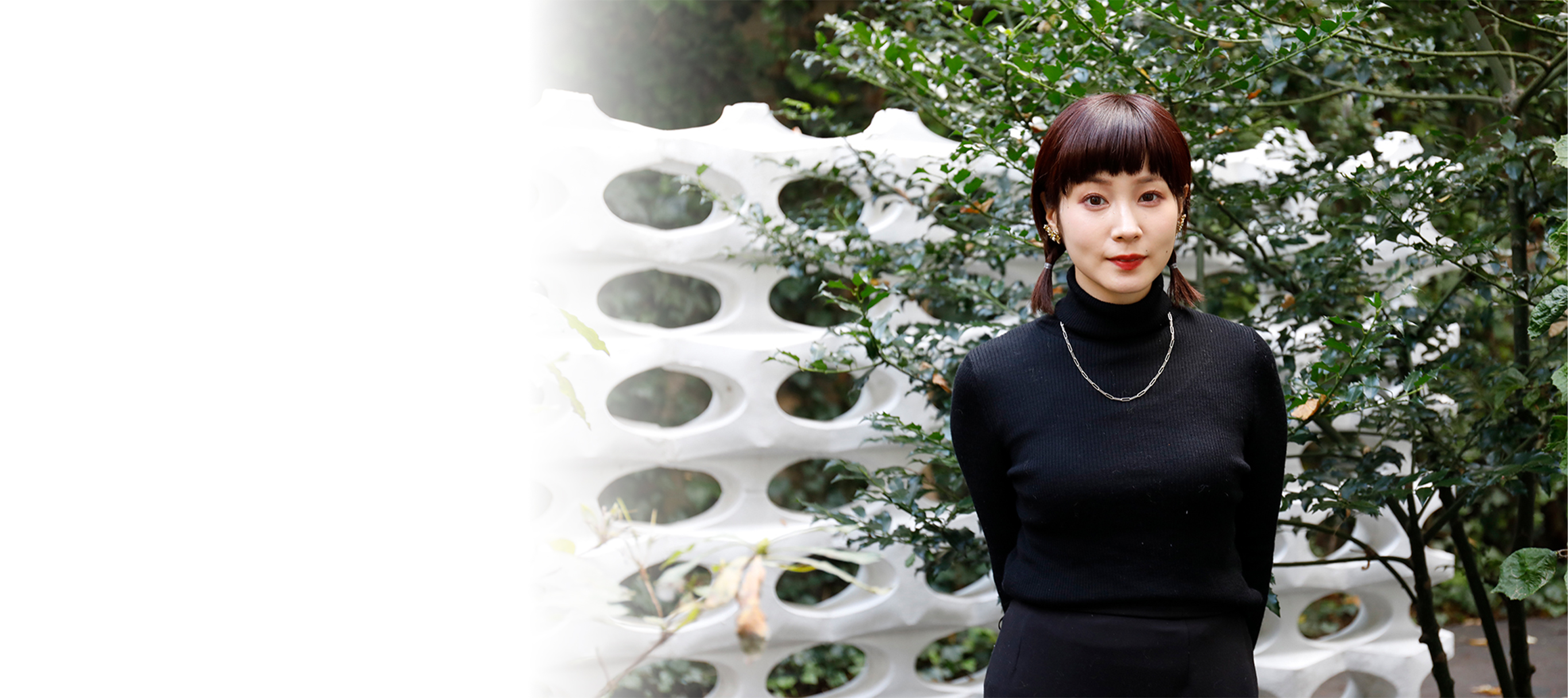
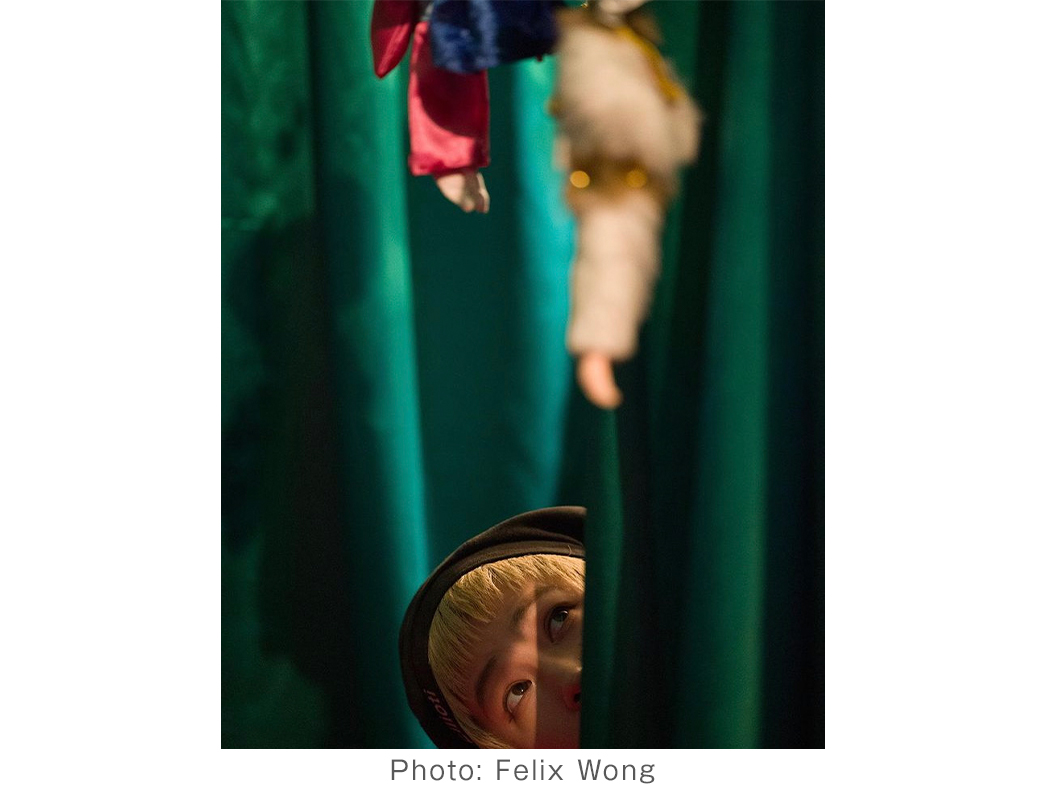
2023年の派遣作家である笹岡由梨子さんは、綿密なリサーチに基づいた社会風刺や歴史文化、寓話などをテーマに、ビデオ・インスタレーション作品を制作している。アナログな手法で制作された映像には、ユーモアのセンスが見え隠れし、どこか懐かしく温かみを感じさせる。シュールレアルで独自の世界観を持つその作品は、アジアやヨーロッパで高く評価されている。
笹岡さんは2023年8月からおよそ2ヶ月、ドイツ、ベルリンにアーティスト・イン・レジデンスで滞在した。滞在終盤となる9月下旬、ベルリン市のフリードリッヒスハイン地区にあるフラットに笹岡さんを訪ね、アーティストになるきっかけからこのベルリン滞在中の経験などについて、話を伺った。
Mercedes-Benz Art Scope is a cultural and artistic support program of Mercedes-Benz Japan and ongoing for 30 years. It has provided more than 35 artists with opportunities for residencies and exhibitions abroad.
Yuriko Sasaoka was their selected artist in 2023. She makes video installations on themes such as social satire, historical culture and fables based stories on in-depth research. Her videos, produced using analogue techniques, reveal a sense of humour and evoke a cosy nostalgia. The surreal and unique world she has created is well known and acclaimed in Asia and Europe.
Yuriko Sasaoka stayed in Berlin for two months from August 2023 as an artist-in-residence. In late September, towards the end of her residency, she spoke about her experiences in Berlin, including how she became an artist and her worked during her stay at her flat in the Friedrichshain district.
Interview Photo: Rie Yamada
Interview: Yumiko Urae
;Resize=(828,828) "アーティストとしての原点に回帰させてくれたベルリンでのレジデンス生活")
アーティストとしての
原点に回帰させてくれた
ベルリンでのレジデンス生活
笹岡 由梨子
Residency in Berlin brought back to the roots as an artist
Yuriko Sasaoka
アーティストになるきっかけからビデオ作品制作にいたるまで
What inspired you to become an artist and led you to do the video works
Q: アーティストになるきっかけは何だったのでしょうか?
笹岡由梨子(以下、Y.S): 小さな頃から絵を描くのが好きでした。そのほか習字やピアノなど、1週間習い事でパンパンでしたが、なんだかんだで全部楽しかったです。
高校生の時に上履きに絵を描くのが流行っていて、友人の上履きに似顔絵を描いたら、ショックを受けて泣かれてしまいました。そうしたら英語の先生から「あなたの絵には人を泣かせるほど心を動かす何かがある、才能があるから美大に行くのはどうか」と薦められたのです。そこから美大へ進学したのがはじまりです。
Q: What inspired you to become an artist?
Yuriko Sasaoka (Y.S): I have loved drawing since I was a little girl. Also, I had the opportunity - and greatly enjoyed -weekly lessons including calligraphy, and learning to play the piano.
When I was in high school, there was a fashion to draw pictures on indoor shoes. When I drew a portrait of my friend on her shoes, she was shocked and cried. As a result, my English teacher suggested I should go to art college because there was something about my drawings that could move people to tears. He thought I had talent. That was the beginning and I decided to study art.
Q: そして、平面作品が立体作品となり、現在制作されているビデオ作品に至るまでのプロセスを教えてください。
Y.S: 子供の頃、親に連れられて美術館で絵画を鑑賞する時に、私には、引き込まれる絵が動いて見えたり、音が聴こえてきたりする経験がありました。でも、自分が絵を描いてみると、その感覚は見た人と共有できない。そこで、自分の経験を脳内から出してみようと思い、学生時代にビデオを撮りはじめました。音楽も、特に誰かに作曲を頼むことはなく、自然に自分の制作の中から生まれるものです。
Q: How did your two-dimensional works become three-dimensional? And what led you to the video works you are doing now?
Y.S: When I was a child and my parents took me to look at paintings in museums. I imagined seeing pictures moving and hearing their sounds. But when I painted pictures myself, I could not share those feelings with the viewers. So I decided to try to get my experience out of my brain when I was a student. Music, too, comes naturally my own thoughts, without working with a composer.
Q: 制作するにあたり、影響を受けている物事はありますか?
Y.S: ビデオをやろうと決めたきっかけの一つに、2011年の東日本大震災がありました。私は関西に住んでいるので直接被害には遭っていないのですが、テレビでずっと流れていた津波の映像を見ても実感が湧かずに「なぜ、本当に起きていることをCGのように思ってしまうのだろう」と自分の中で恐怖を感じました。そこから一時期、映像を見るのが怖くなりました。そんな時、“宇宙人が来た!”というような、あからさまでアナログで、生っぽさやアクシデントのある映像は、私にとって癒されるものでした。「つるつるではなく、ひっかかりがあるビデオとは何だろう」と考えたとき、人形劇や演劇、“欽ちゃんの仮装大賞”のように、淡々と何かが起こることに居心地の良さを覚えました。
Q: Are there other things that have influenced your production process?
Y.S: One of the things that made me decide on video was the Great East Japan Earthquake in 2011. I live in the Kansai, in western Japan, so I wasn't directly affected, but when I saw the images of the Tsunami that were on TV all the time, I couldn't really feel it. I felt scared inside myself, wondering whether people would think that what was really happening was like computer graphics. Then, for a while, I was frightened to look at these images. That's when I started to watch coarse, analogue, crude films like as "Aliens are coming!" which was more therapeutic for me. When I thought about "what is video that is not smooth, but has a certain hook?", I felt comfortable with puppet shows, with plays and with "Kin-chan's Masquerade Awards” TV series, where things happen in low-key.
Q: ご自分も多くの作品に登場されていますね。
Y.S: 最新作「パンジー」(2022年)は、自分が親族の顔を演じています。年齢も動物も作品によって様々ですが、演じたり真似たりして自分でないものになることが、作品を歪(いびつ)にさせます。素材を、力技で無理やり変質させると、意図せずに起きるアクシデントのような造形が生まれることがあるからです。
自分の顔は生涯ずっと撮り続けていきたい。映像とは時間芸術だと思うので、顔で時間の経過を記録できるのが面白いなと思います。
Q: You often appear in your own films, right?
Y.S: In my latest film “Pansy” (2022), I play the faces of my relatives. The age and the animals vary from piece to piece, but it is the business of acting and imitating and becoming something you are not that changes the work. This is because when the material is forcibly transformed by brute force, accidentally unintentional shape can be created.
I want to keep filming my own face all my life. Film is a temporal art, so it is interesting that I can record the passage of time with my face.
ベルリンでのアーティスト・イン・レジデンス
The artist-in-residence in Berlin
Q: ベルリンは今回が初めての滞在ということですが、どのようなことを考えて過ごしましたか?
Y.S: ベルリンに来る前、人として生きるための啓蒙思想について調べていました。また動物寓話には、啓蒙思想と結びつけた人間への教訓的な話があり、興味を持っていました。レッシングの『寓話と寓話論』を読んだ時、諺(ことわざ)や漢詩のように教訓があるのはもちろん、それを動物に置き換えることで立ち上がってくるイメージや妙なリアリティに関心を持ちました。
もう一つ背景にあったのは、ポーランドの英雄として親しまれている「ヴォイテク」という熊の兵士です。1940年代初頭、ヴォイテクは子熊の頃に軍隊に拾われ、兵士たちと関わりながら成長し、単なる「動物」ではなく「仲間」として共に生活し働き、彼らに勇気や希望を与える存在になりました。そのエピソードをきっかけに「動物と労働の関係性」についてリサーチしたいと思いながら、ベルリンに来ました。
滞在しながら、動物に「何か仕事を与えてください」と聞かせたらどうだろうと思いつき、ベルリンでは市のシンボルの熊、シュツットガルトでは馬の着ぐるみを自分で作り、それを着て街中でパフォーマンスをしました。一見、寓話に出てきそうな動物たちの働きを私もやってみたいと思ったんですよね。どんなストーリーが生まれるのか、また着ぐるみを着ただけの厄介者が、言葉の通じない国でどう扱われるかを試したくて。
Q: Since this is your first time in Berlin, what did you spend your time thinking about?
Y.S: Before I came to Berlin, I was searching for a enlightenment about how to live as a human being. I was also interested in animal fables, because they have cautionary tales for humans that are linked to the enlightenment. When I read Lessing’s “Fable Theory and Fables”, I was interested in the images and the strange reality that emerged by replacing humans with animals, not to mention the lessons to be learned from proverbs and Chinese poetry.
Another background was the bear soldier Wojtek, a well-known Polish hero, who was pushed into the army in the early 1940s and grew up to become not just an 'animal' but a 'companion', living and working together with other soldiers. He became a comrade to gives them courage and hope. I came to Berlin with the idea of researching the 'relationship between animals and labor', inspired by this episode story.
During my stay, I came up with the idea of an animal asking local people “Give me some job!”, so I made myself a bear, the symbol of the city in Berlin, and a horse in Stuttgart, which I wore and performed in the streets. Basically, I wanted to try my hand at working with animals that look like they could be from a fable. I wanted to see what stories would come out of it and to test how a pesky person in an animal costume would be treated in a country where the language not the common communication tool is.
Q: パフォーマンスについて詳しく教えてください。また実際のパフォーマンスはどうでしたか?
Y.S: 現地に行くまで知らなかったのですが、マーケットでの撮影許可をもらうことなど、撮影をするに至るまでが結構厳しかったです。通行人がビデオに映ること自体も嫌がられました。今後日本でも同じように、公共の場で撮影することが難しくなってくるのだろうなと感じました。
メルセデス・ベンツの拠点であるシュツットガルトでは「メルセデス・ベンツ博物館」を訪れたのですが、最初に展示されていた「乗り物」は、馬の剥製でした。車が発明される前、シュツットガルトでは馬車業が盛んだったそうです。今でも馬は街のシンボルとして扱われており、像や看板などをたくさん見かけました。その後、馬は乗り物としての役目を車や自転車などにとって代わられたことから、私は馬の着ぐるみを着て、電車や車の通るところや、電動自転車やキックボードといったあらゆる乗り物の前で「仕事をください!」という看板を持つパフォーマンスをしました。
街の中心で、シャボン玉のパフォーマンスをしているアラブ系の人の隣でやらせていただいたのですが、気軽に仲間に入れてくれました。見知らぬ私に手を差し伸べてくれた人の存在に、勇気付けられました。
Q: And how was the actual performance?
Y.S: I didn't know this until I got there, but the process of filming was quite strict, including getting permission to film in the markets. Passers-by didn't want to be filmed. I felt that in the future it will become more and more difficult to film in public places in Japan as well.
In Stuttgart, where Mercedes-Benz is based, I visited the Mercedes-Benz Museum, and the first 'vehicle' on display was a stuffed horse. Before the car was invented, the horse-drawn carriage business was thriving in Stuttgart. Even today, horses are still treated as a symbol of the city and I saw many statues and signs. However later on, horses were replaced by cars, bicycles and other vehicles, so I dressed up as a horse and performed in front of trains, passing cars and all kinds of vehicles, such as electric bicycles and kick-boards, holding a sign saying "Give me a job!”.
I was allowed to do this in the center of town, next to an Arab man who was performing soap bubbles, and he readily joined me. I was encouraged by the presence of someone who reached out to a stranger like me.
Q: これらのパフォーマンスは今後、どのような作品に仕上がっていくのでしょうか?
Y.S: 今までは通行人を風景のように扱っていたのですが、今回は着ぐるみを着た私の前を通っている人も登場人物なので、その人たちに古着で作ったカツラをかぶせ、自分の顔を合成したいなと思っています。またビデオ編集だけでなく、古着やモニター、蝋など、色々な素材を使って平面作品も作ろうと思っています。今回起きたストーリーをベースにした色々なイコンを作りたいと計画中です。
この秋には多摩美術大学で、学生と一緒にワークショップとパフォーマンスを計画しています。かつて多摩美術大学に実在した生き物たちにスポットを当て、今は亡き彼らとの記憶を呼び覚まし、記録したいと思っています。そして「人間が労働するということはどういうことなのか?」「美術制作は労働なのか?」という素朴な疑問を、学生さんたちと考え、ビデオや絵画として視覚化できたらいいなと考えています。
Q: How will these performances be in the future?
Y.S: Until my stay in Berlin, I treated passers-by as scenery, but this time the people who pass in front of me in my costume are also characters, so I want to put wigs made from second-hand clothes on them and compose my own faces. In addition to video editing, I also plan to make two-dimensional works using various materials, such as second-hand clothes, monitors and wax. I am planning to make various icons based on the story that happened during this time.
I am planning a workshop and performance with students at Tama Art University this autumn. So, I would like to focus on the animals that once existed at Tama Art University, and to evoke and record the memories of those which are now deceased. And give questions such as "What does it mean for humans to work?" Is art production work?" I hope to think about these simple questions with the students and visualize them in the form of videos and paintings.
Q: 今回のベルリン滞在で得たこと、感じたことは何でしたか?
Y.S: 今まで7カ国ぐらいで仕事をしたことがあるのですが、ベルリンは皆が等身大で生きていて、居心地の良い街でした。私の滞在したフラットの大家さんもそうですが、特に美術に関係ない人も、ヨーゼフ・ボイスやバウハウスについてよく知っています。滞在中に、市のミュージアムが一斉に夜中の2時までオープンする“ロングナイト・オブ・ミュージアム”や、“アート・ウィークエンド”といったアートイベントがあったのですが、一般の人があんなに長蛇の列を作って展覧会を見に行くのは衝撃的でした。そして、作品をあまり写真に撮らずにじっくり鑑賞している人が多く、鑑賞者のリテラシーが高いと思いました。
ベルリンは展示場所も多く、アーティストにとっては優しい街ですね。とにかく、アートが土地に根付いているなと感じました。
Q: What did you learn or feel from your stay in Berlin this time?
Y.S: I have worked in about seven different countries so far, but Berlin is a relaxed city where everyone lives life on an equal footing. Like the landlord of the flat I stayed in, even people who are not particularly involved in art know a lot about Joseph Beuys and the Bauhaus. During my stay, there were art events such as the “Long Night of Museums”, where all the city museums were open until 2am, and the “Art Weekend”. It was surprising to see the general public queueing up to see the exhibitions. I was also struck by the high level of literacy among the exhibition visitors, many of whom took time to appreciate the artworks without taking many photos with smartphones.
Berlin is an artist-friendly city with many exhibition places. Anyway, I felt that art is rooted in the land.
Q: 印象的な出会いはありましたか?
Y.S: 以前、アート・スコーププログラムでフランスに滞在され、その後ベルリンを拠点に活動される鯨津朝子(ときつ あさこ)さんの展覧会のオープニングにいく機会がありました。朝子さんにお会いできたのはすごく良い体験でした。日本の美術界を知った上でベルリンに行って、活躍されている方に会って、私も頑張らないと、と思いました。しぶとさ、図太さは大事ですね。
また、日本ではいつも当然のようにできていたことが、ベルリンでは難しいという体験が色々とありました。日本とドイツでは法律も違い、規制の厳しさも違うので、自分の作品の選択肢が変わっていく。それを続けていくうちに新しいアイデアが浮かんだり、作品がいい意味で変容していきました。こういったレジデンスならではの経験が、今後に生きてくると思います。
月並みな言い方かもしれないけれど、初心にかえれましたね。ベルリンで国籍を問わず色々なアーティストの方の作品を見たり、実際にお会いしたりする中で、やっぱり自分には美術しかないと痛感しましたね。
Q: Did you have any unexpected encounters?
Y.S: I had the opportunity to go to the opening of an exhibition by Asako Tokitsu, who had previously stayed in France on the Art Scope program and was later based in Berlin. It was a great experience to meet Asako. After learning about the Japanese art world, going to Berlin and meeting someone who is active there made me realize that I should continue to try my best. I think it is important to be persistent and have a lot of nerve.
I also experienced many things that I had always been able to do as a matter of course in Japan, but were difficult to do in Berlin. The laws are different in Japan and Germany, and the enforcement of various regulations is different, so the options for my work changed. As I continued, new ideas came to me and my work was transformed in a positive way. I think my unique experience in this residency will come alive in the future.
It may sound a bit clichéd, but I was able to go back to my roots. In Berlin, I saw the works of various artists of all nationalities and met them in person, which made me realize that art is the only choice for me.
PROFILE
笹岡由梨子 / Yuriko Sasaoka
Born 1988 in Osaka, Japan. Graduated from Kyoto City University of Arts with a BA in Oil Painting in 2012, completed her MA in Oil Painting at Kyoto City University of Arts in 2014. PhD in Media Art at Kyoto City University of Arts in 2017. Kyoto City Art Newcomer Award, 2018. Kyoto Art for Tomorrow 2019 - Kyoto Prefecture New Artists Selection Exhibition - Grand Prize. Kyoto Prefecture Cultural Award Encouragement Prize and the Sakuya Konohana Award 2020.
;Resize=(600,450) "笹岡由梨子 / Yuriko Sasaoka")